Academy Annelids

Oscar Winning Worm Flicks

The Golden Era of Worm Cinema — a brief, damp history.

Between 1936 and 1977, Hollywood briefly lost its mind for worms. It began, as most things do, with Orson Soilles wrangling a thousand earthworms onto a moonlit leaf for his adaptation of Romeo & Juliet — a film the Academy politely called the most patient love story ever committed to celluloid.

What followed was a forty-year run of soil-bound prestige pictures: gangster epics filmed inside compost heaps, space operas staged in flowerpots, and at least one Best Picture winner shot entirely beneath a damp tarp in Burbank. Critics called it the Loam Renaissance. The worms, characteristically, said nothing at all.

The era ended quietly in 1979, when a single worm walked off the set of Worm Wars II and refused to return. He has never been found.
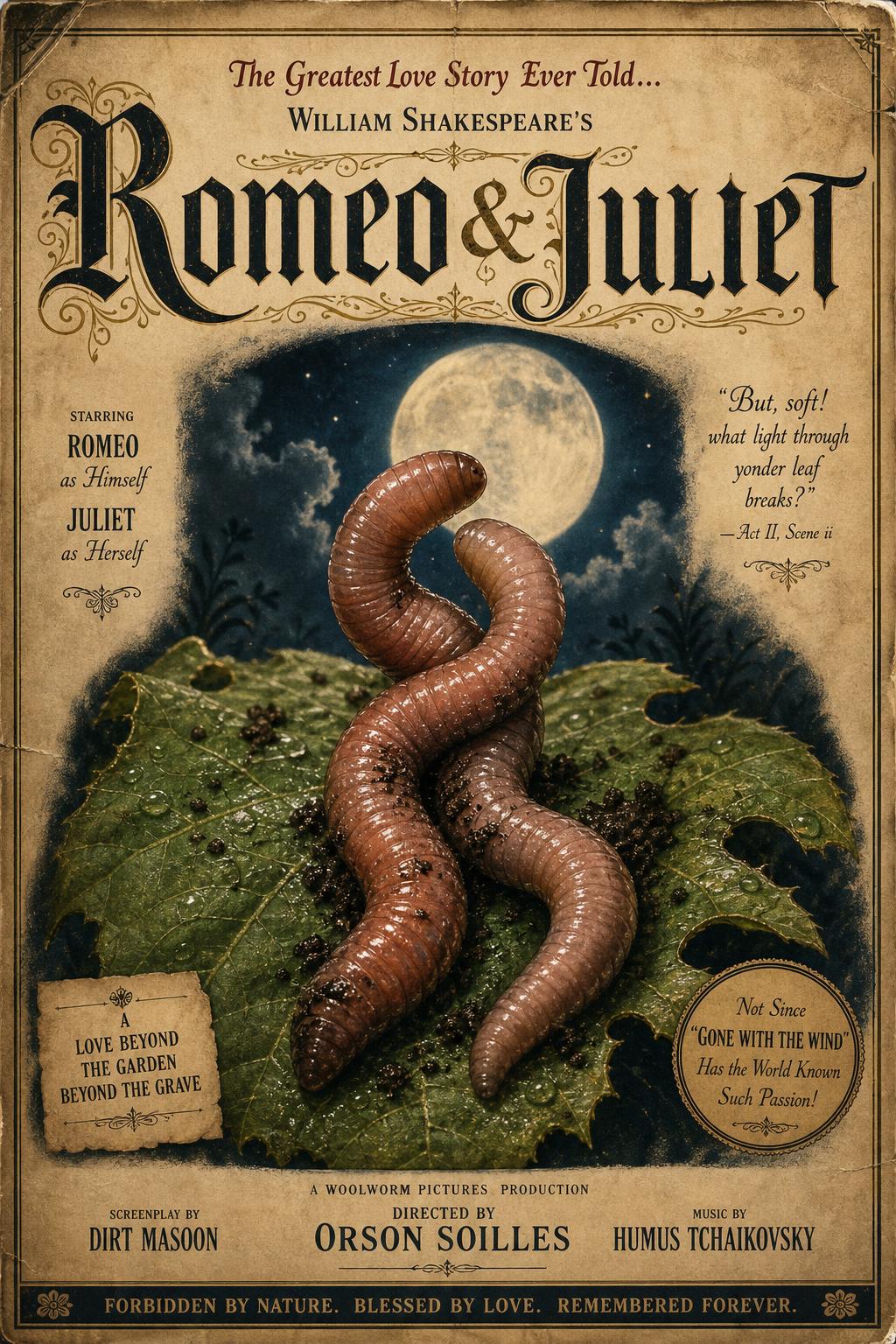
  • Film poster for Romeo & Juliet

    Romeo & Juliet

    1936 · Dir. Orson Soilles

    🏆 Best Picture, 9th Academy Awards

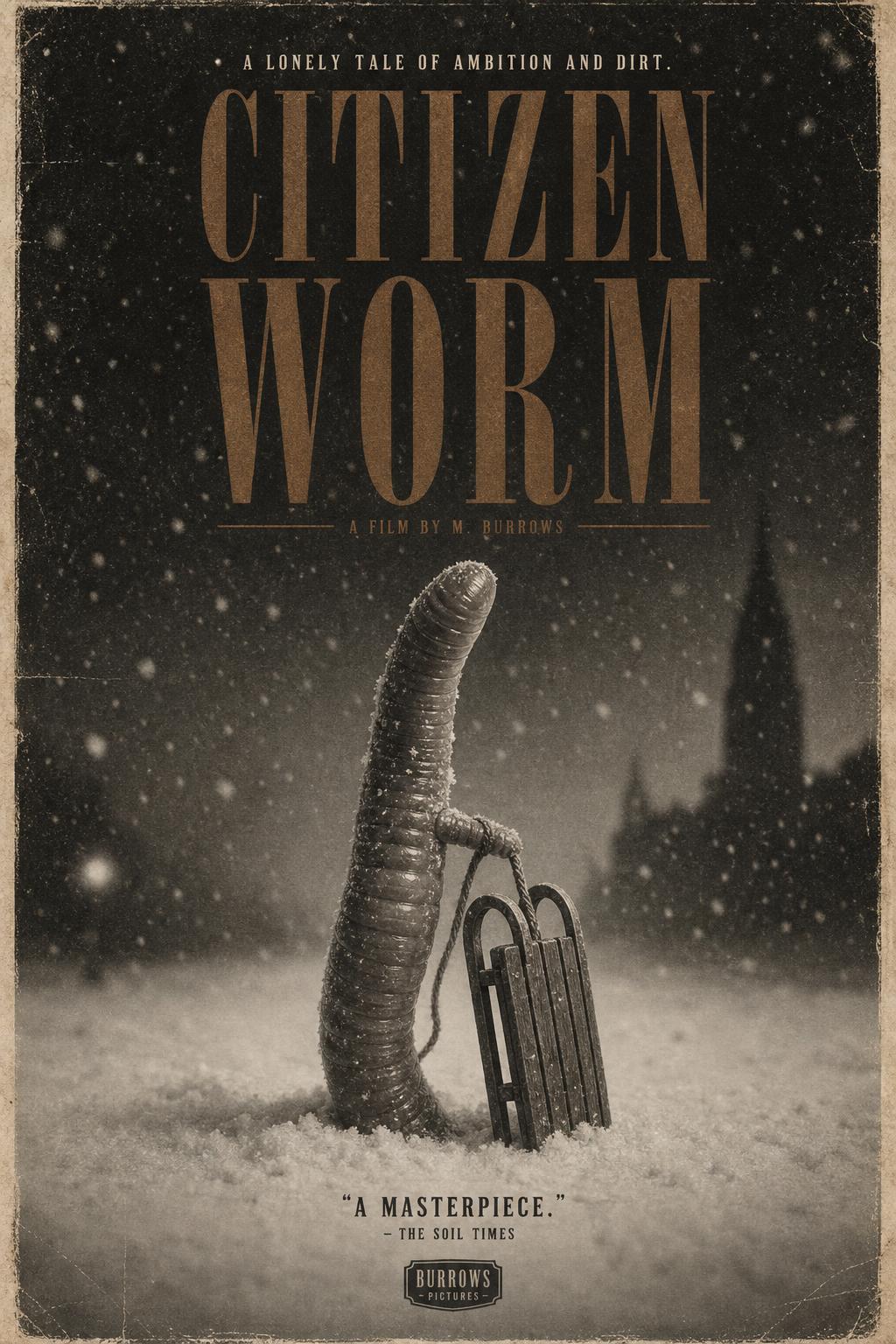
  • Film poster for Citizen Worm

    Citizen Worm

    1941 · Dir. Wormson Welles

    🏆 Best Original Screenplay

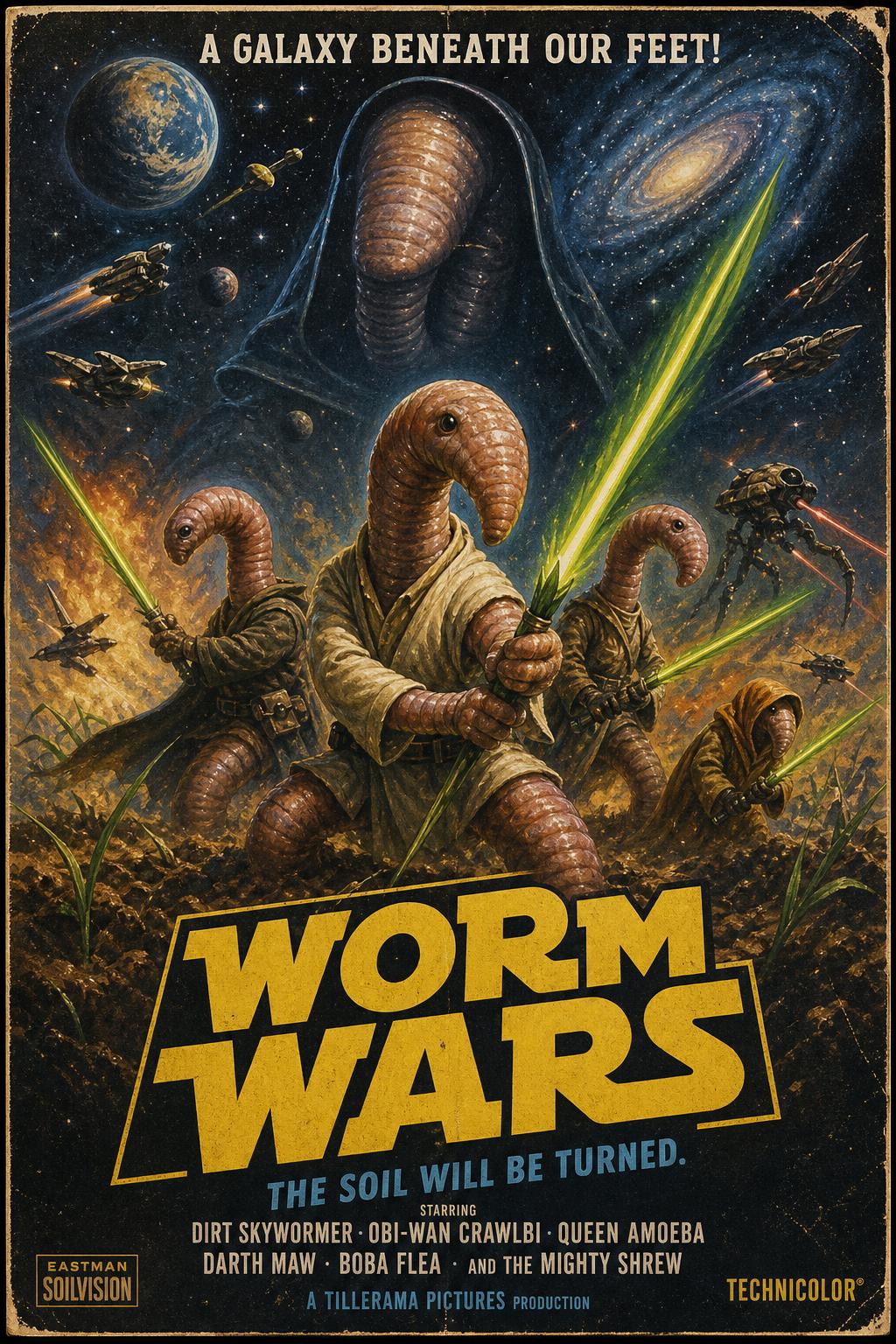
  • Film poster for Worm Wars

    Worm Wars

    1977 · Dir. George Lugubrious

    🏆 Best Visual Effects (Soil)

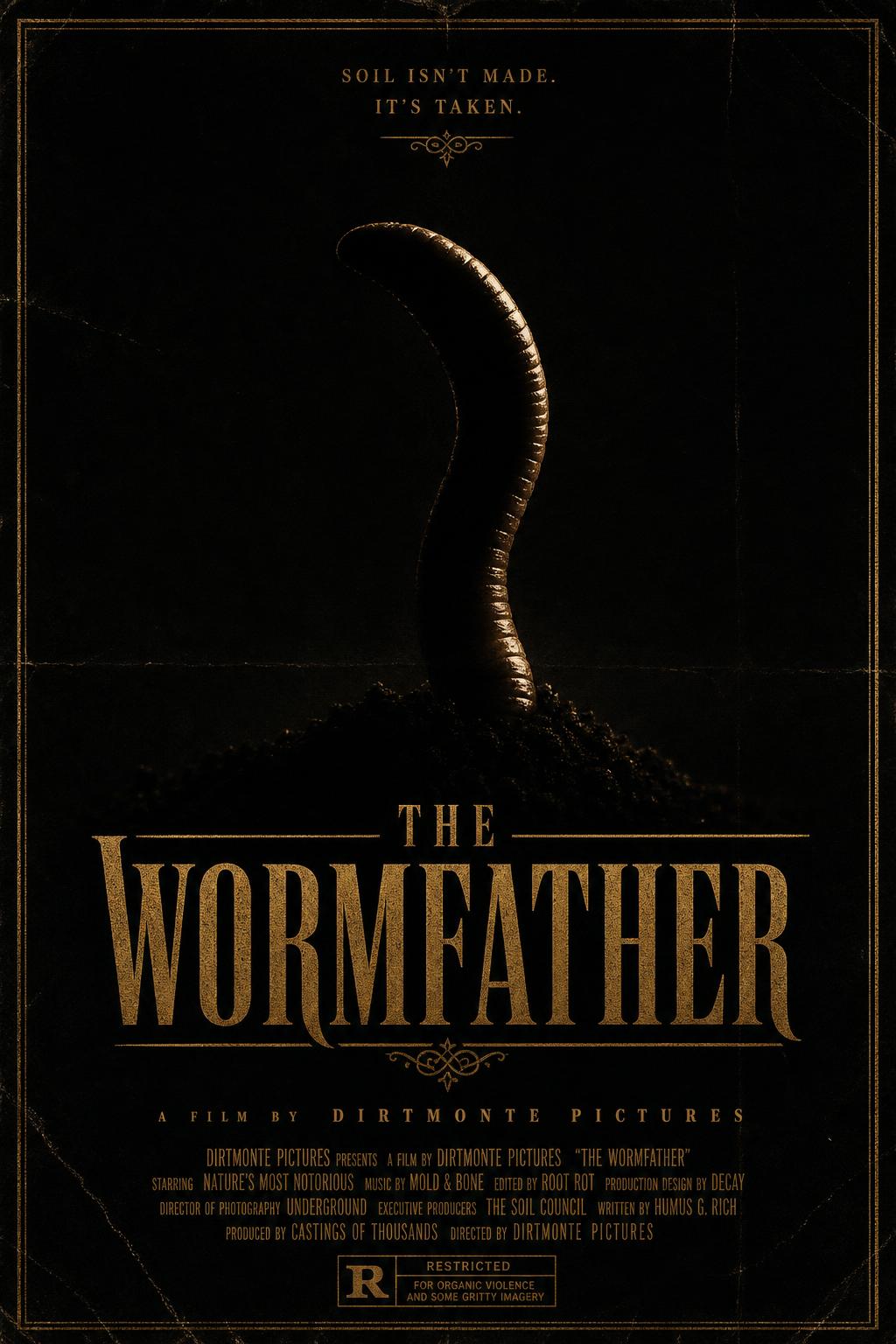
  • Film poster for The Wormfather

    The Wormfather

    1972 · Dir. Francis Ford Compost

    🏆 Best Picture, 45th Academy Awards

Hall of Fame

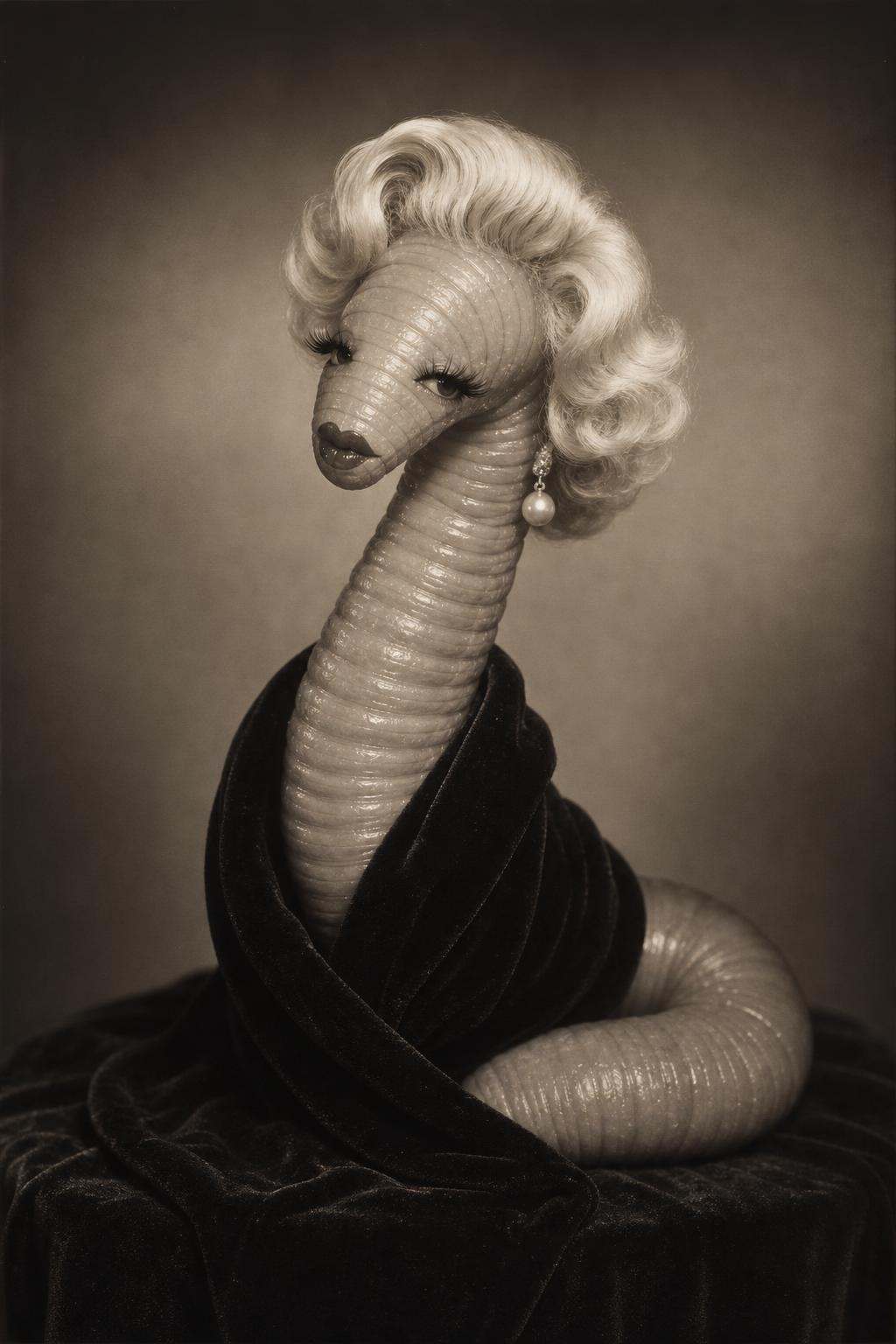
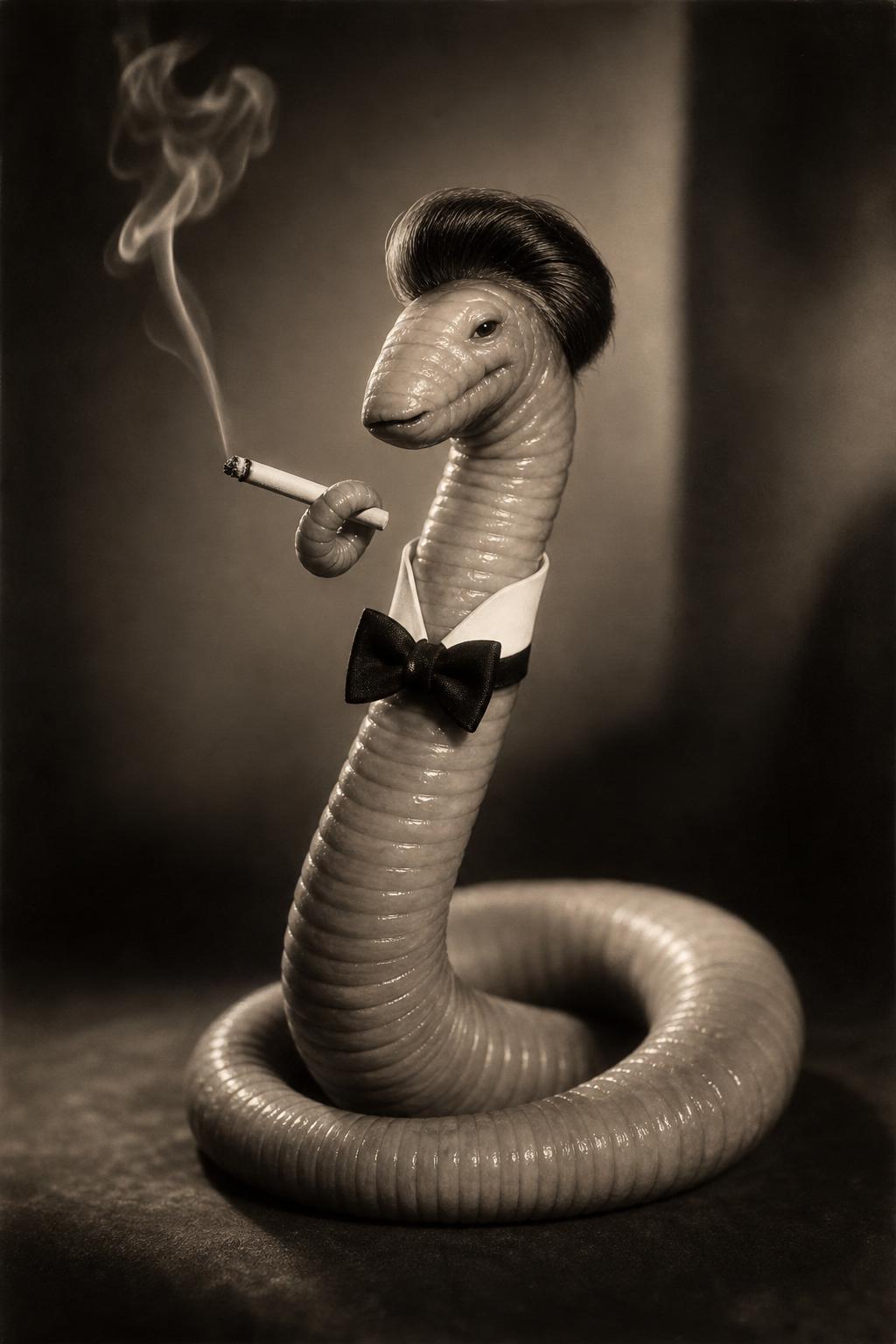
Notable Worms from Cinema

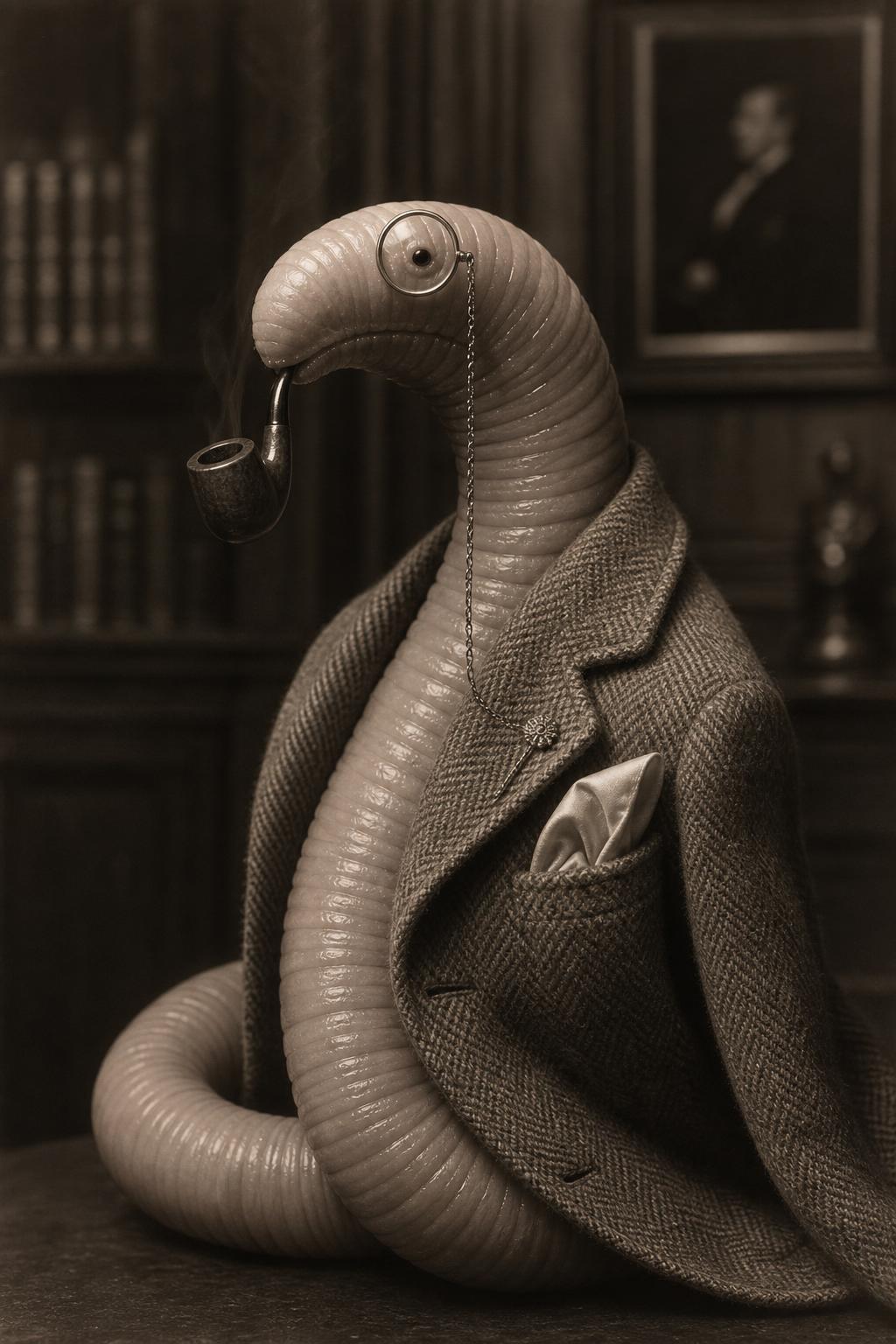
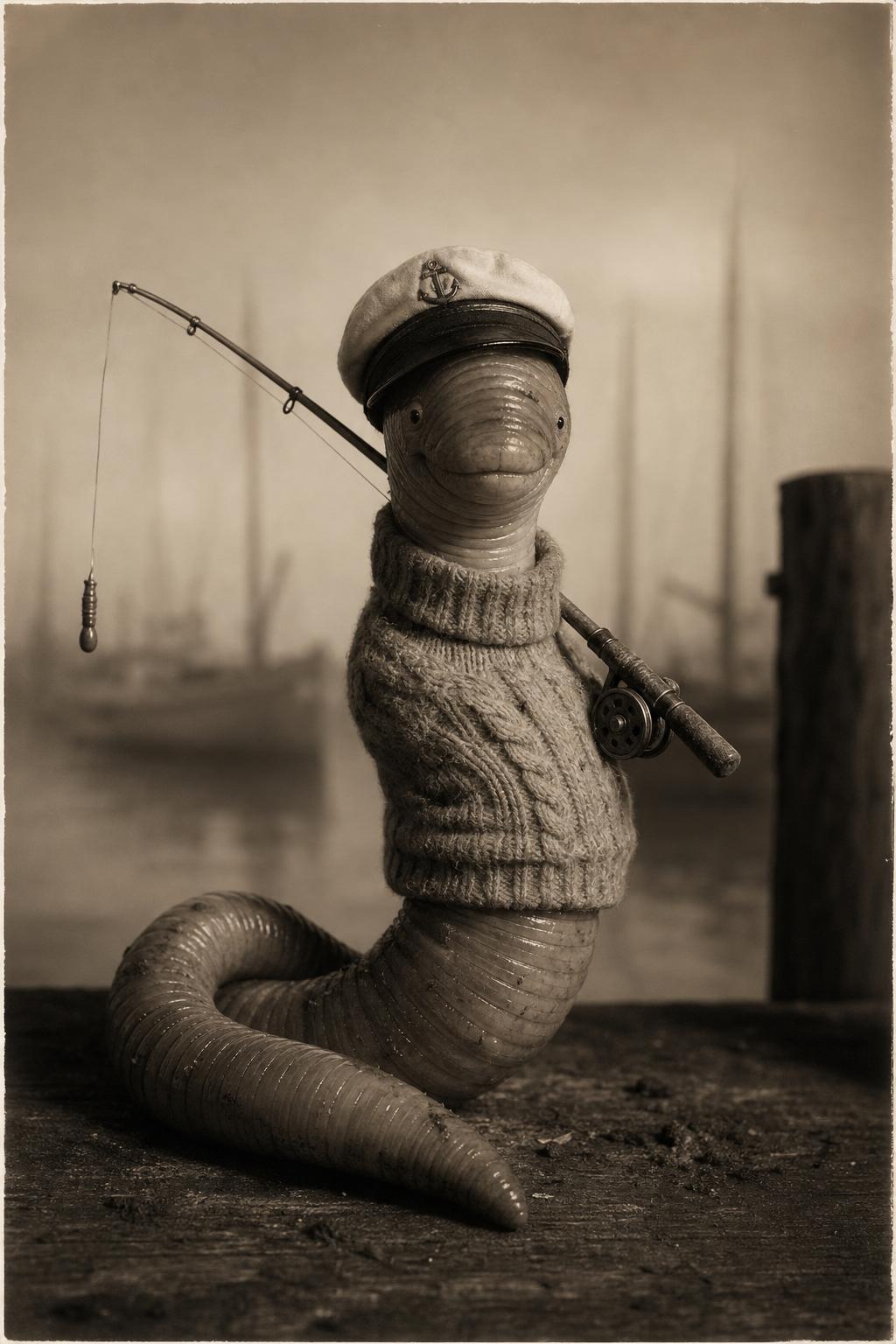
Past and present — the annelids who shaped the silver screen, and one who shaped a tackle box.

Strictly Apocryphal

Crazy Worm Facts

None of the following are true. All of the following should be true. Verified by no one at the Vermis Apocryphal Archive.

  • Fact No. 01Celebrity Burrows

    Brad Pitt operates a private worm sanctuary in the Hollywood Hills.

    Tucked behind a hedge on Mulholland Drive, the 2.4-acre compound houses an estimated 14,000 hand-named earthworms. Pitt reportedly feeds them organic banana peel and oat milk each morning at 6:14 a.m. sharp, a ritual he calls his “quiet hour.” Guests are forbidden from making sudden movements.

  • Fact No. 02Cosmonaut No. 1

    The first worm in space was a red wiggler named Boris Wormikov.

    Launched aboard Sputnik 4½ in 1961, Boris orbited the Earth eleven times in a thimble-sized capsule lined with damp moss. He returned slightly longer than when he left, which Soviet scientists attributed to “cosmic stretching.” Boris later retired to a dacha outside Volgograd.

  • Fact No. 03Aural Heritage

    Worms can hum in perfect fifths, but only when no one is watching.

    A 1994 study at the University of Ghent left an empty room with a recording device. Upon review, researchers identified 41 distinct two-worm vocal harmonies, including what experts agree is an unmistakable rendition of Pachelbel's Canon performed by a duet in a flowerpot.

  • Fact No. 04Maritime Legend

    The Titanic carried 600 ceremonial worms in first class.

    Travelling in velvet-lined mahogany trays, the worms were a gift from the Earl of Surrey to a wealthy New York composting enthusiast. Survivor accounts confirm that the worms were the first passengers loaded into the lifeboats, though White Star Line has never acknowledged the manifest.

  • Fact No. 05Diplomatic Incident

    Switzerland once issued a passport to a worm named Heinrich.

    In 1987, due to a clerical error at the Bern registry office, Heinrich was granted full Swiss citizenship and travelled to Vienna for a chamber music festival. He was politely detained at the border for failing to declare his country of origin, which he listed as “the loam.”

  • Fact No. 06Architectural Marvel

    Beneath Versailles lies a 400-year-old worm cathedral.

    Discovered in 2003 by a startled gardener, the structure features arched tunnels, a central nave, and what appears to be a tiny pipe organ made of dried root. The worms have refused all attempts at translation, though it is widely believed they are mid-way through a very long sermon.